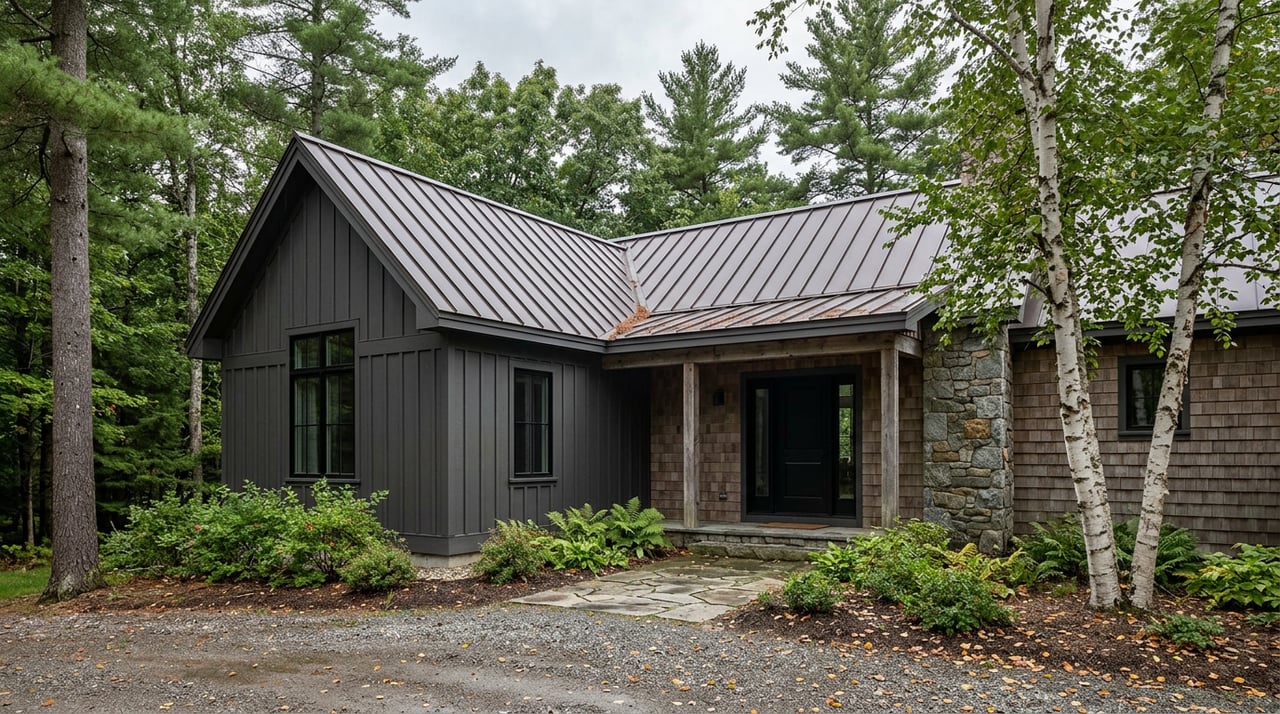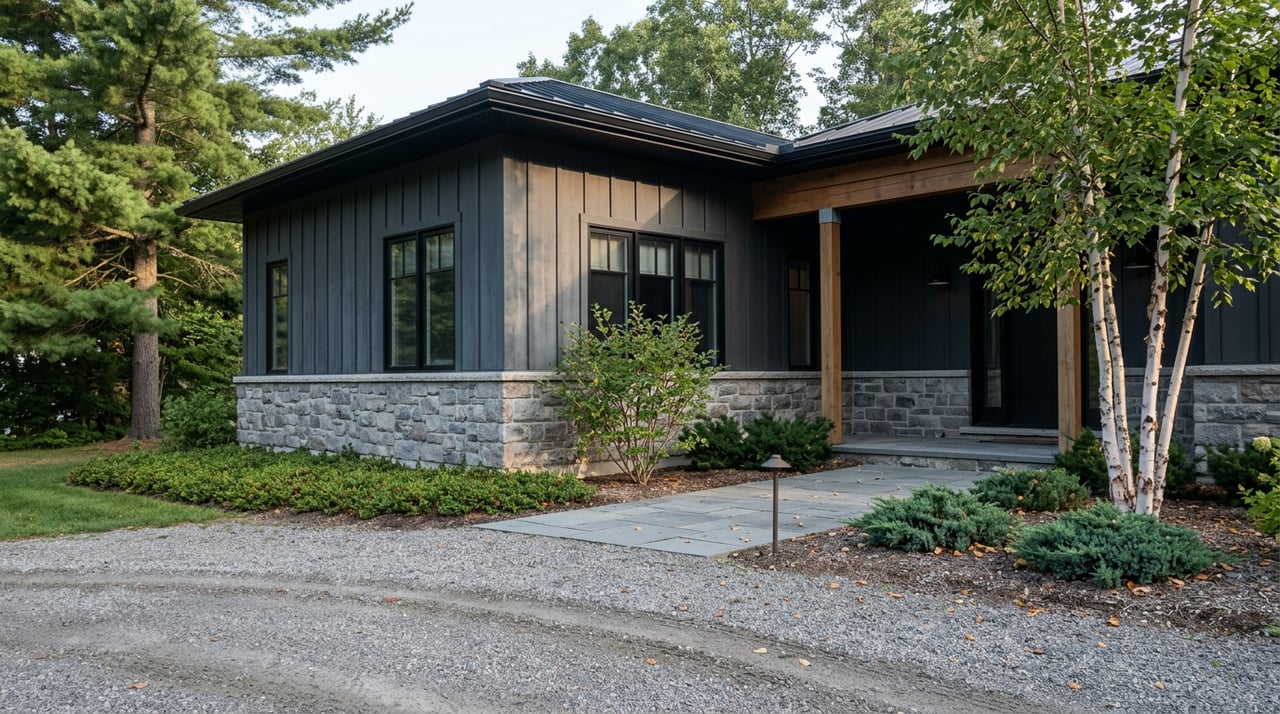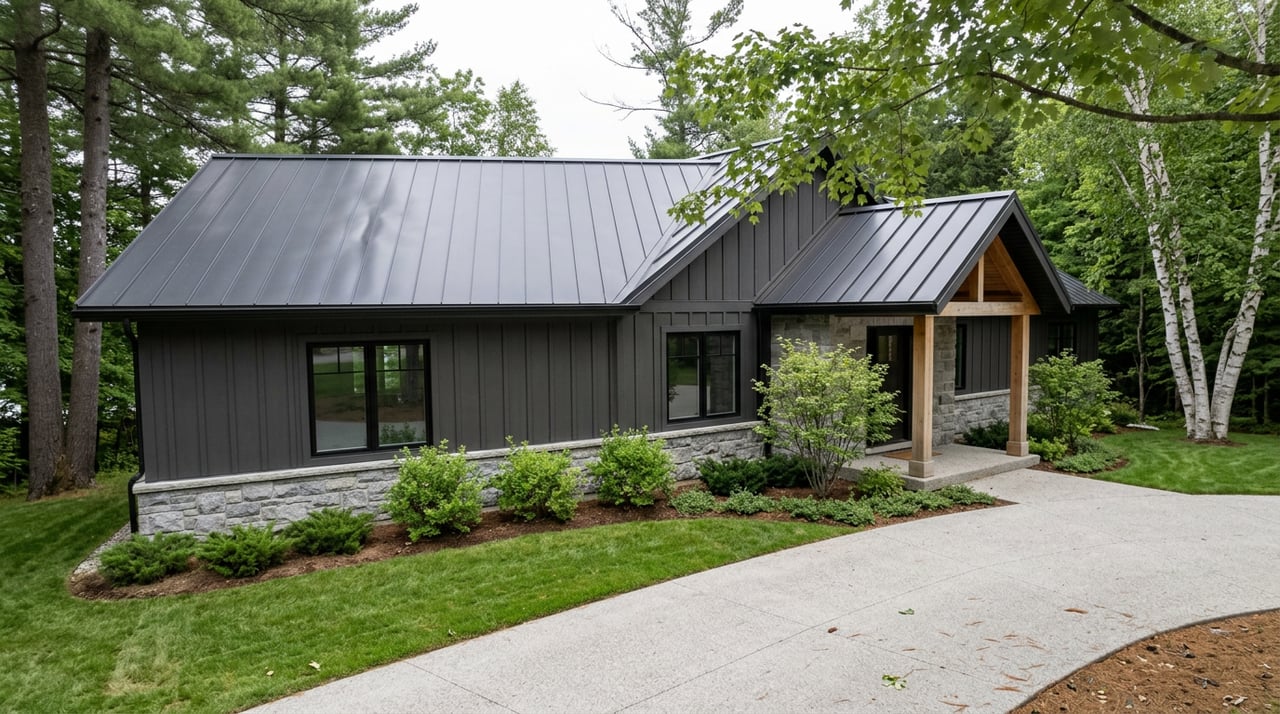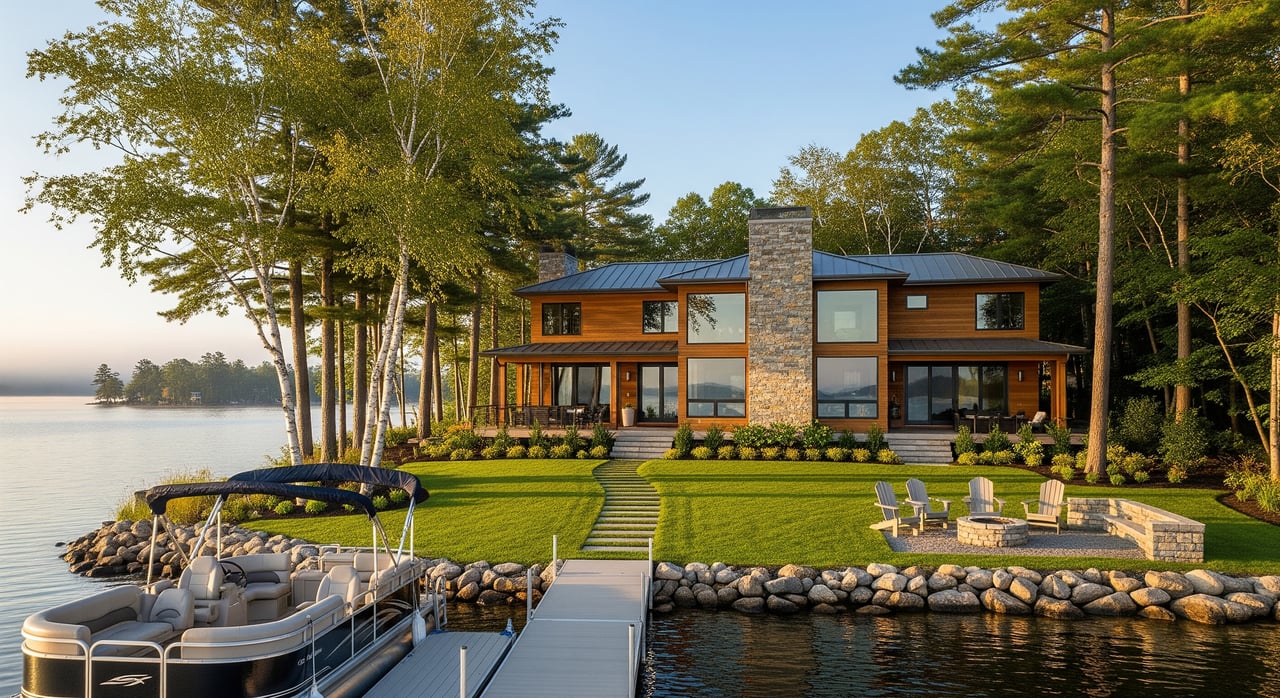
Picture yourself pulling into your Breezy Point driveway for a long weekend, boat keys in your pocket and the lake just steps away. The dream is clear. The financing details feel less so. You are not alone. Second-home loans around the Brainerd Lakes Area follow different rules than primary residences, especially for waterfront.
This guide breaks down how lenders view second homes, which loans are common in Breezy Point, typical down payments and rate differences, when a purchase becomes a jumbo mortgage, and what to expect with shoreland, septic, and remote closings. You will also find a practical checklist to help you move forward with confidence. Let’s dive in.
Second home vs investment
Lenders group properties by how you plan to use them. A second home is for your personal use. You do not live there full time and you do not operate it primarily as a rental. That puts it in a different box than an investment property.
Why this matters: loan programs, pricing, and underwriting all change with occupancy. Many government-backed programs are built for primary residences only. If your plan includes frequent short-term rentals, a lender may classify the purchase as an investment. That can raise the required down payment, rates, and cash reserves.
Loan options in Breezy Point
Most Breezy Point second-home buyers use conventional financing. These loans can work well for personal-use properties. Some lenders allow down payments starting near 10 percent. Many prefer 15 to 20 percent on lake homes due to valuation and market risk.
If your price point exceeds the county’s conforming limit, you move into jumbo. Jumbo loans come with tighter requirements. Expect higher credit standards, more documentation, larger reserves, and often a bigger down payment. On strong files, some lenders still offer competitive terms.
Programs like FHA, VA, and USDA are generally for primary residences. That means they usually do not fit second-home purchases in Breezy Point. A few local community banks and credit unions may offer portfolio loans. These can help with unique waterfront appraisals or property types.
Down payments and rates
For a conventional second home, plan for 10 to 20 percent down. On lakefront, many lenders are most comfortable at 15 to 20 percent. Jumbo second-home loans often start at 20 to 30 percent down. Some buyers qualify for less with a stronger profile and extra reserves.
Rates on second homes usually carry a small premium compared with a primary residence. It is typically modest, but the exact difference depends on the market and your credit. Investment property rates are usually higher than second-home rates.
Credit and debt-to-income matter. Lenders often want higher scores for second homes. A common target is mid-600s to 720-plus for conventional, and higher for jumbo. Many lenders prefer a debt-to-income ratio at or below 43 percent, though strong credit and reserves can allow more.
Cash reserves are also part of the picture. For second homes, lenders often require more months of principal, interest, taxes, and insurance in the bank. Plan for 2 to 6 months on many conventional loans. Jumbo programs may require 6 to 12 months or more.
Conforming limits and jumbo
Conforming loan limits are set each year. Anything above the county’s limit is a jumbo loan. In recent years, the baseline single-family conforming limit has been in the 700 thousand to 800 thousand dollar range. Check the current limit for Crow Wing County for the year you plan to buy.
Waterfront homes often exceed conforming limits due to lot quality, shoreline, and views. That is why many Brainerd Lakes purchases become jumbo. Jumbo mortgages typically bring more documentation, larger reserves, and higher down payment needs. Appraisals for unique shoreline features can also take longer.
Local financing factors
Buying in a shoreland market adds a few local layers. Understanding them early can save time and stress during underwriting and closing.
Shoreland rules and septic
Minnesota shoreland rules and county ordinances shape setbacks, expansions, and what you can build. Many lenders want proof that the property meets local code. Older lakeshore cabins sometimes need a septic inspection or a compliance statement. If updates are required, your lender may require repairs or an escrow hold before closing.
Flood risk and insurance
Not every lakeshore parcel sits in a FEMA flood zone, but some do. If a property is in a Special Flood Hazard Area, lenders will require flood insurance. Even if it is not mapped in a special zone, insurers may adjust premiums for water risk. Check this early so your monthly budget is accurate.
Property taxes and rentals
Property tax classification can affect your carrying costs. Local rules in Breezy Point or nearby townships may also limit short-term rentals or require permits and taxes. If you plan to rent seasonally, disclose your intent to your lender at the start. The plan could change how the loan is underwritten.
Wells, docks, and shoreline
Waterfront features add value and complexity. Private wells and septics, dock permits, boathouses, rip-rap, and shoreline improvements can all affect appraisals and insurance. Lenders may ask for permits, inspections, or repair agreements tied to these items.
Appraisals on waterfront
Waterfront comps can be limited. Appraisers often make larger adjustments for frontage, depth, exposure, and dock quality. Give yourself time. Your lender may need appraisal reviews or additional comps if value is tight.
Remote buyer checklist
If you plan to buy from out of town, gather documents and set up logistics early. Here is a simple checklist to keep you organized.
- Identification and occupancy
- Government photo ID and proof of your primary residence.
- Income and employment
- Two years of federal tax returns and W-2s if employed.
- Recent pay stubs for the last 30 days and employer contact info.
- Assets and reserves
- Two to three months of bank and investment statements for all accounts used for down payment and reserves.
- Statements for other real estate owned and current mortgage details if applicable.
- Gifts and large deposits
- Gift letter and donor statements if a family gift is part of your funds.
- Property-specific items for lake homes
- Septic inspection or a county compliance statement if required.
- Well documentation or water test results if applicable.
- Proof of permits for docks, boathouses, or shoreline work.
- Remote closing logistics
- Confirm options for mobile notary, mail-away, or eClosing with your lender and title company.
- Set wire instructions early and verify by phone using a known number. This helps prevent wire fraud.
- Coordinate appraisal access with your agent for a smooth inspection visit.
Get mortgage-ready steps
- Define your budget and goals
- List your must-haves and nice-to-haves. Include taxes, insurance, and possible flood coverage in your budget.
- Secure a true pre-approval
- Ask your lender for a full document review, not just a quick pre-qualification. This helps identify any reserve or debt-to-income issues early.
- Check conforming limits and jumbo needs
- Compare your target price range with the current Crow Wing County conforming limit. If you expect jumbo, plan for larger reserves and a bigger down payment.
- Discuss rental intentions early
- Be open about any plan to rent seasonally. Your lender will guide you on whether the loan must be treated as an investment.
- Plan for appraisal and title timelines
- Waterfront properties can require more time for valuation and permit checks. Build buffer into inspection and closing dates.
- Consider escrow solutions
- If a septic upgrade or repair is identified late, ask about an escrow hold to keep your closing on track.
Work with a local pro
Second-home financing in Breezy Point rewards buyers who plan ahead, bring a complete file, and lean on local expertise. From shoreland and septic to jumbo underwriting and remote closings, a trusted guide can streamline the process and help you land the right lake property.
If you are ready to explore Breezy Point and the Brainerd Lakes Area, connect with a local specialist who knows waterfront inside and out. Schedule a consultation with Amanda Lumley to map your financing path, refine your search, and start enjoying lake life sooner.
FAQs
Can I use FHA, VA, or USDA for a Breezy Point second home?
- Generally no. These programs are for primary residences, so most second-home buyers use conventional or jumbo loans.
How much down payment do I need for a lake home?
- Plan for at least 10 to 20 percent on conventional and 20 percent or more on many jumbo second-home loans.
Are second-home mortgage rates higher than primary homes?
- Usually yes. Lenders add a modest premium for second homes, and investment properties have even higher rates.
What if I want to rent my cabin on weekends?
- Tell your lender upfront. Short-term rental plans may shift the loan to investment financing with different requirements.
Do I need special inspections for lakeshore?
- Expect septic and well documentation where applicable, proof of permitted docks or shoreline work, and flood insurance if in a mapped flood zone.
When does a Breezy Point purchase become a jumbo loan?
- When your loan amount exceeds the current conforming limit for Crow Wing County. Many waterfront homes cross that line due to higher prices.