Thinking about selling your Crosslake lake home and wondering how to time it so you catch the summer buyer wave? You are not alone. Waterfront sales on the Whitefish Chain move with the seasons, and the right pricing and marketing plan can unlock real value. In this guide, you will learn when to list, how buyers value shoreline, and the marketing steps that help your property stand out. Let’s dive in.
Best time to sell in Crosslake
Spring is your strongest window. Many sellers list between late February and May to reach the largest buyer pool before summer. National data shows a spring premium in many markets, and local lake specialists aim for March through May to maximize exposure and close before peak season. You can explore the broader trend in the best time to sell analysis.
Summer still works if your home shows the lifestyle well. Longer days, boats in the water, and a ready dock can spark faster decisions. If you list in summer, highlight outdoor living, shoreline usability, and any recent updates that make the home turnkey.
Fall and winter bring fewer buyers but can offer motivated activity. If you need to list off season, plan ahead. Inspections for shoreline, septic, and grading can be harder when the ground is frozen or snow covered. Consider pre-listing inspections and strong documentation so buyers feel confident. A local seasonality overview outlines why readiness matters when listing off peak in lake country. You can read more about those dynamics in this seasonality guide for lake homes.
Price your lake home right
Pricing is about the water as much as the house. Buyers, appraisers, and assessors weigh specific lakefront traits. Focus on these value drivers when setting your price and explaining it to buyers.
Key waterfront value drivers
- Shoreline frontage and type. Linear feet of frontage, sand vs rock or weed, and how usable the shore is all matter. Gentle slopes and sandy swim areas tend to draw more interest.
- Lake type and connectivity. The Whitefish Chain is a large, connected system that offers boating variety and navigation options. Chain access is a premium for many buyers.
- Improvements and systems. Permitted docks or boat lifts, boathouse features, recent shoreline restoration, and the age and condition of septic and well systems are major factors. Permit history and records help support value.
- Privacy, views, and access. Lot orientation, view corridors, distance to neighbors, and proximity to Crosslake amenities and roads play into buyer decisions.
County reporting has noted strong appreciation in seasonal and resort property values in recent years, including high per-front-foot sales on premium chains like Whitefish and Gull. That context helps explain pricing strength for quality shoreline in Crow Wing County. See the local coverage on valuation trends in the Brainerd Dispatch.
How to set a data-backed price
- Use waterfront comps. Compare to recent sales with similar frontage, lake position, and shore type. General neighborhood comps often miss key waterfront premiums.
- Explain “front-foot” value. Buyers in this area often reference price per front foot, adjusted for shoreline quality. It is a helpful way to discuss value, but it should not replace a full comp analysis.
- Be right on day one. Small lake markets reward correct pricing and excellent presentation. If comparable inventory is thin, a slightly conservative list price can draw more showings and may produce competing offers. This tactic carries risk in flat markets, so decide with your agent based on current NorthstarMLS data.
Use caution with medians
Lakefront medians swing with just a few sales. Public reporting for Crosslake often shows different figures depending on sample windows and sources. If you see a single number without context, treat it carefully. For example, the Crosslake page on Rocket Homes shows how reported medians vary. Ask a local agent for live, MLS-based comps before finalizing your price.
Marketing that sells the lake lifestyle
With buyers often starting their search online, your photos, video, and copy do the first round of selling. Strong marketing builds confidence and drives showings.
Photography and media that matter
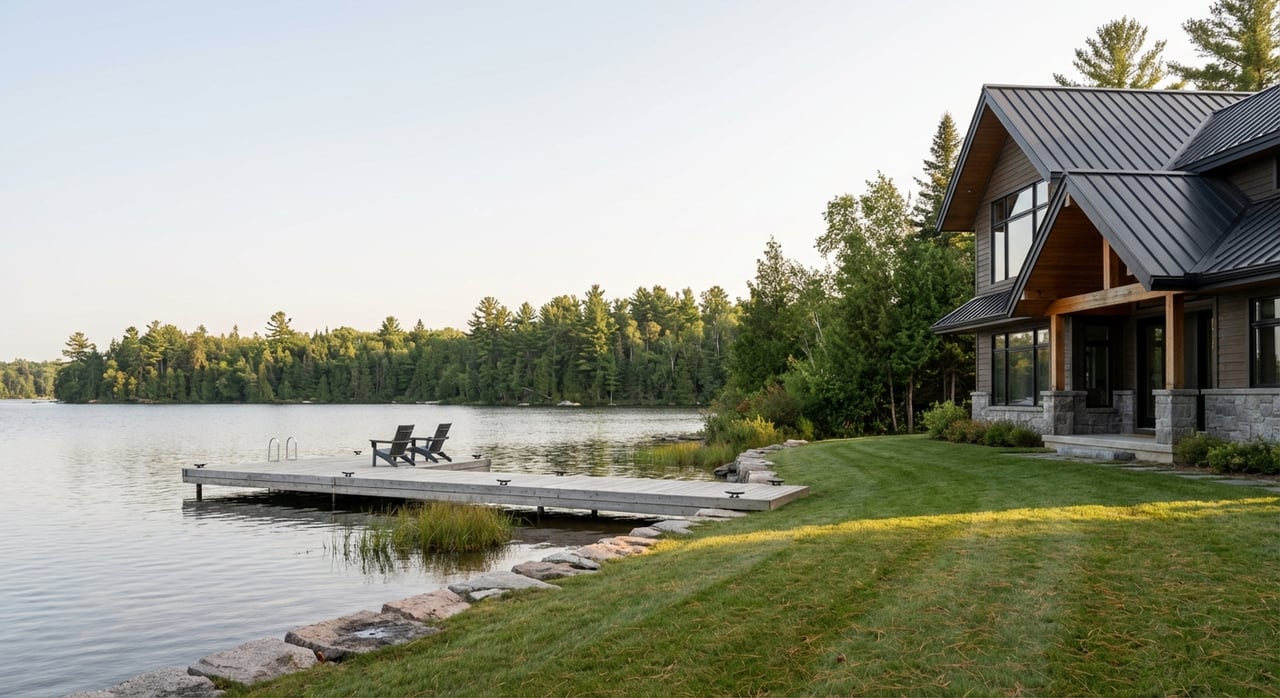
- Professional photos. Invest in crisp interior and exterior images. Include multiple shoreline shots that show the swim area, dock, and neighbor context.
- Drone and aerials. Show the lot, privacy, sun exposure, and how your site connects across the Chain. Buyers judge navigation and setting fast from the air. Use a licensed operator.
- Twilight images. One well-timed twilight photo of the lakeside façade and dock can boost interest.
- Video and virtual tours. Out-of-town buyers are common in Crosslake. A narrated walkthrough that highlights shoreline depth, dock specs, lift capacity, and storage can keep your listing top of mind.
Staging for lake homes
Focus on the rooms buyers value most and the outdoor living that sells the lifestyle. The National Association of Realtors reports that staging can reduce time on market and slightly lift offers. Review the NAR staging report highlights.
- Stage the living room and primary suite. Keep lines clean and views open.
- Dress the deck and lakeside seating. Tidy boats and lake toys for photos.
- Clear and organize the boathouse or storage areas. Buyers want to see capacity and condition.
- Use seasonal photo sets when needed. If you list in winter, include a few leaf-on images to show the shoreline and view. If you list in summer but want to show winter usability, photograph four-season rooms and insulated systems. For more on off-season visuals and planning, see the lake home seasonality guide.
Smart distribution and targeting
Your listing should reach both local and metro-area buyers who love the Whitefish lifestyle.
- Core distribution. Use NorthstarMLS and its syndication. Many buyers reference large real estate search sites and brokerage platforms, even if they end up working with a local agent.
- Targeted digital ads. Reach Twin Cities zip codes and lake-lifestyle interest groups. Many Whitefish Chain buyers shop from the metro and plan weekend tours.
- Local channels. Lake associations and community networks matter. Include Whitefish Area Property Owners Association (WAPOA) context in your brochure packet and leverage local event calendars for awareness.
Permits, shoreland rules, and disclosures
Buyers of waterfront homes ask detailed questions about approvals, systems, and water quality. Getting your paperwork ready prevents delays.
Shoreland rules and permits
- Know your classification. Minnesota’s shoreland classifications set setbacks, shore impact zone rules, and vegetation standards. You can review state guidance on shoreland classifications.
- Check county records. Crow Wing County Land Services manages shoreland alteration, septic and land use permits, and related applications. A quick review with the county can surface permit histories and clarify any required steps before listing. Start with the county’s permit information page.
Required disclosures in Minnesota
- Well disclosure. Sellers must disclose the location and status of known wells and provide a well disclosure certificate unless there are no wells. See Minnesota Statute 103I at the Revisor of Statutes.
- Radon disclosure. Minnesota requires sellers to disclose known radon test results and provide the Minnesota Department of Health radon information. See the statute in Chapter 144 at the Revisor of Statutes.
- Septic/SSTS. Lake home buyers often request recent pumping and inspection records and any compliance certificates. Crow Wing County Land Services can help you confirm status and next steps.
AIS and water quality
Prospective owners increasingly ask about aquatic invasive species and how lakes are managed. Be ready with clear information.
- AIS on the Whitefish Chain. Local lake association updates, including recent monitoring and response to Starry Stonewort, provide helpful context for buyers who care about recreation and maintenance. Share the Whitefish Chain resources from WAPOA.
- Your records. Gather any boat decontamination logs, invoices for treatments, and historical notices or newsletters that reference your bay or channel.
Quick prep checklist
Use this short list to get your sale market ready with less friction.
- Documents. Deed, shoreline permit history, dock and boathouse permits, septic service and inspection records, well disclosure info, insurance or shoreline repair receipts, and any rental or occupancy history.
- Inspections. If system ages are unknown, order a pre-listing septic inspection. Consider a general inspection focused on winterized components if listing off season.
- Photos. Plan professional interiors, exteriors, drone, and one twilight shot. Add a few leaf-on photos if listing in winter.
- Marketing. Prepare your MLS listing, a brochure that highlights chain navigation and local lifestyle, and a targeted digital ad plan reaching metro-area buyers and lake enthusiasts.
Ready to list with confidence?
Selling a lake home on the Whitefish Chain is about timing, pricing waterfront features the right way, and presenting a relaxed, year-round lifestyle. With nearly two decades of local experience and premium marketing, including professional staging guidance and polished digital presentation, you can put your property in front of the right buyers at the right moment. If you are considering a spring listing or weighing an off-season option, let’s tailor a plan to your shoreline, your timeline, and today’s market.
Have questions or want a custom pricing review? Connect with Amanda Lumley to schedule a consultation.
FAQs
What months are best to list a Crosslake lake home?
- Late February through May typically captures the largest buyer pool and the seasonal premium seen in many markets, with closings timed for summer use.
How do buyers value shoreline on the Whitefish Chain?
- Buyers assess linear feet of frontage, shoreline type and usability, chain connectivity, and improvements like permitted docks or lifts, then compare to recent waterfront comps.
Why do lakefront medians for Crosslake seem inconsistent?
- Small sample sizes and different reporting windows cause swings; always review live MLS comps and use public reports only as broad context.
What permits and records should I gather before listing?
- Pull shoreland and land-use permits, dock or boathouse approvals, septic service and inspection records, well disclosure details, and any shoreline repair receipts.
Are there special Minnesota disclosures for wells, septic, and radon?
- Yes. Minnesota requires well and radon disclosures, and buyers often request recent septic records; check current county and state guidance to avoid delays.