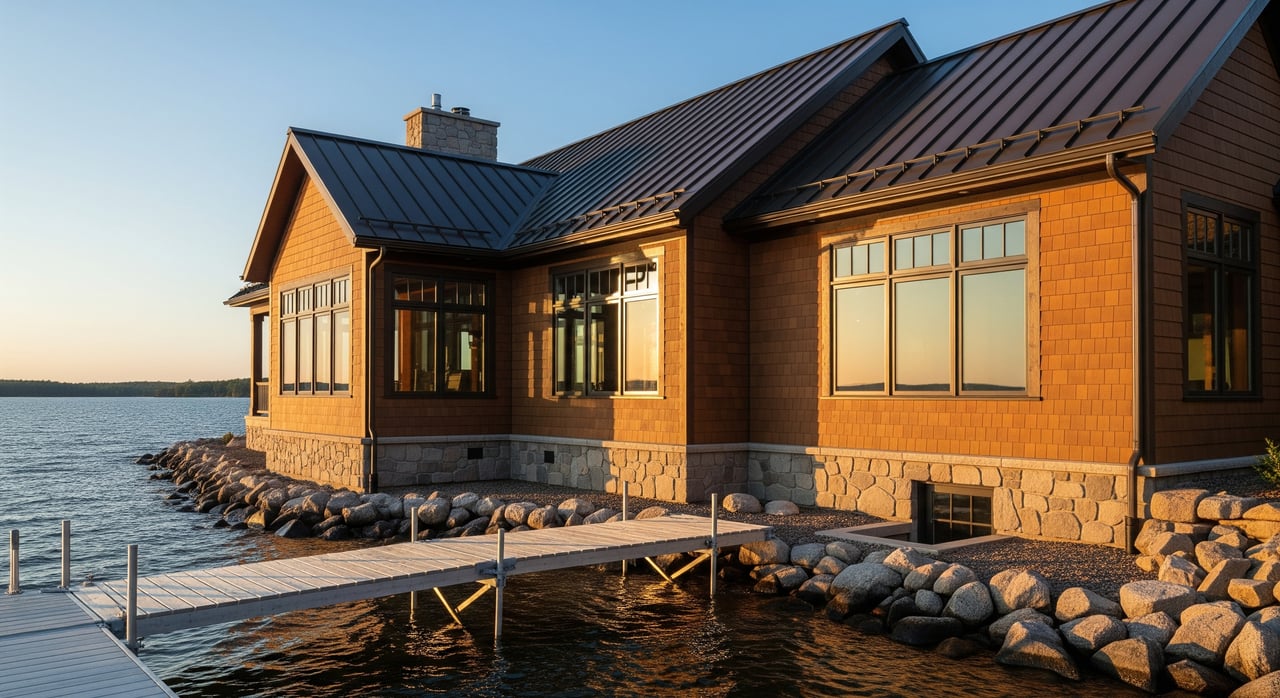
Thinking about buying a lake home in Nisswa? A waterfront property comes with unique systems, rules, and timing that a typical suburban inspection does not cover. You want to be confident about the shoreline, septic, dock, and seasonal access before you close. This guide walks you through what to inspect, when to schedule it, which specialists to hire, and how to protect your offer so you can move forward with clarity. Let’s dive in.
Why lake inspections are different
Waterfront properties involve more than the house. You also need to assess docks, lifts, boathouses, shoreline stabilization, and water access, which often fall outside a standard home inspection. Inspectors and trade pros follow guidance for waterfront properties that expands scope beyond the structure, like the recommendations from InterNACHI on inspecting waterfront properties.
You will also navigate more permits and rules. Minnesota shoreland regulations affect setbacks, vegetation, erosion control, and any work in public waters. Review the state’s framework in the Minnesota DNR shoreland management guidance and confirm local compliance.
Most lake homes rely on private wells and individual septic systems. These require specific testing and inspections beyond a typical city hookup. The Minnesota Department of Health outlines well care and testing in its private wells resource, and the Minnesota Pollution Control Agency covers septic system guidance in its septic systems overview.
Best time to inspect in Nisswa
Season matters in the Brainerd Lakes Area. Snow and ice can hide shoreline erosion, riprap, dock alignment, and lift components that you want to see before closing. Many buyers choose a two‑phase plan to cover both house and shoreline properly.
- Phase 1: General home inspection that covers structure, roof, HVAC, plumbing, and interior systems. This can be done year‑round.
- Phase 2: Focused waterfront inspection after ice‑out when docks, lifts, shoreline stabilization, and vegetation buffers are visible. If you must inspect in winter, add contract language allowing a reinspection after ice‑out.
Ice‑out timing varies by lake and year, especially around Nisswa and Crow Wing County. Coordinate with your inspector and the seller to time Phase 2 when open water and shoreline conditions are visible.
What your inspection should cover
Shoreline and stabilization
Ask your inspector or a shoreline specialist to review riprap or seawalls, erosion, toe scour, signs of recent fill, and vegetation buffers. Bluff and slope stability may require an engineer if there are signs of settlement or sloughing. Many shoreline projects require permits in public waters, so verify past approvals with the DNR’s public waters permits information and local authorities.
Aquatic invasive species can affect dock condition and future lake use. Review seller disclosures and lake association notes regarding AIS, and see the state’s guidance on aquatic invasive species for context and best practices.
Docks, lifts, and boathouses
Inspect piles or pilings, connections and fasteners, flotation, and overall alignment. Confirm boat lift operation and condition. If there is electrical at the dock or boathouse, ensure GFCI protection and hire a qualified electrician to evaluate for safety near water.
Confirm what is included in the sale. Some docks are shared, leased, or subject to association rules. Ask for documentation showing ownership and any permits.
Private well and water quality
Order water testing for bacterial safety (total coliform and E. coli), nitrates, and any contaminants of local concern. The Minnesota Department of Health outlines recommended tests and frequency in its private wells guidance. Have the well equipment assessed for pump function, pressure, casing integrity, and well cap security. Confirm distance from potential contamination sources like the septic system or fuel tanks.
Septic system / ISTS
Ask for septic records, permit history, system type and size, and last pump date. A full inspection should include tank access, scum and solids levels, baffles, distribution box, and drainfield evaluation. The Minnesota Pollution Control Agency provides helpful context for inspections and care in its septic systems resource. If the system is inaccessible due to frozen ground, schedule follow‑up as soon as conditions allow.
Heating, fuel storage, and winter systems
Many lake homes use propane or fuel oil. Ask about buried tanks, age and condition, permits, and any spill history. Inspect boilers or furnaces, fireplaces and chimneys, and off‑season procedures if the property is winterized between visits.
Electrical and shore power
If the property includes shore power at the dock or wiring to a boathouse, request an evaluation by a licensed electrician. GFCI protection and proper bonding are critical near water. Ask for panel capacity details and any history of tripping or repairs.
Stormwater, driveways, and access
Slope and runoff patterns affect shoreline health and maintenance costs. Inspect driveway erosion, culverts, and drainage paths leading toward the lake. If the road is seasonal or water‑only access, plan for logistics like dock installation timing and winter plowing.
Floodplain and bluff considerations
Confirm whether any portion of the property lies in a flood zone. Use the federal FEMA Flood Map Service and ask your insurer and lender about flood coverage requirements. For bluff properties, consider a structural or geotechnical review if you see settlement or erosion along the face.
Local permits and records
Crow Wing County’s Environmental Services can help you verify septic permits and shoreland administration. Review local requirements and records through Crow Wing County Environmental Services. For city ordinances, dock rules, and local procedures, check the City of Nisswa’s municipal site.
How to plan your inspection in the Brainerd Lakes Area
Start by confirming logistics with the seller. Ask if docks and lifts are in the water or stored for winter, whether utilities are on, and if the home is winterized. If access is by water, confirm boat transport and who will provide it.
If winterized, arrange the right vendors so you can safely operate systems during the inspection. This might include an HVAC technician, a plumber for de‑winterization and re‑winterization, and a qualified electrician for any dock power. Build in time for a separate shoreline visit after ice‑out.
Here is a typical specialist team for lake properties:
- General home inspector for structure, mechanical, electrical, and interior systems
- Waterfront or dock contractor for piles, lifts, and dock structure
- Licensed septic inspector and soils professional
- Well water tester and certified lab
- Licensed electrician for dock and boathouse electrical
- Structural or civil engineer if bluff stability or seawall integrity is in question
Buyer checklist for Nisswa lake homes
- Pre‑inspection documents
- Shoreline permits and records of past work
- Septic permits, pumping records, and system type/age
- Well records, past water test results, and maintenance history
- HOA or lake association rules for docks, lifts, and use
- House systems
- Roof, gutters, and ice dam history
- Foundation and crawlspaces for moisture or settlement
- HVAC, plumbing, electrical, and appliances
- Waterfront items
- Dock alignment, fasteners, flotation, and pile condition
- Boat lift function and power
- Shoreline erosion, riprap or seawall integrity, and vegetation buffer
- Boathouse framing and finishes
- Environmental and utilities
- Well water testing for bacteria and nitrates, plus any local concerns
- Full septic inspection and pumping if due
- Buried fuel tanks, venting, and any spill or leak history
- Access and seasonality
- Road and driveway conditions, snow removal, and plow access
- Water‑only access needs and timing for spring installation of docks
- Utility status if the property is winterized
- Regulatory due diligence
- DNR public waters permit status for any shoreline changes
- County shoreland zoning compliance and septic permits
- FEMA flood zone review for insurance and lender requirements
Smart contingencies and timelines
When possible, use a two‑phase plan with contract protection. You can request language such as “Offer contingent on full waterfront inspection after ice‑out” and “Contingent on satisfactory septic inspection and well water test.” Build time for reinspections if shoreline elements are installed later in spring.
Ask the seller to keep utilities on for inspections or coordinate safe de‑winterization. If a reinspection is needed, outline who will cover costs and scheduling. Keep your lender and insurer informed so your appraisal and policy reflect any findings.
Wrap‑up
A lake home in Nisswa offers an amazing lifestyle, but it pays to look closely at the shoreline, private utilities, and seasonal logistics. With the right timing, a focused team of inspectors, and smart contingencies, you can move forward with confidence. If you would like local insight on specific lakes, timing around ice‑out, and how to structure a strong offer, connect with Amanda Lumley for guidance tailored to your goals.
FAQs
When should you schedule a Nisswa lake home inspection?
- Plan a two‑phase approach, with a general home inspection anytime and a follow‑up shoreline inspection after ice‑out so docks, lifts, and erosion are fully visible.
Do you need a separate specialist for docks and shoreline?
- Yes, waterfront elements often fall outside a general inspection, so hire a dock or shoreline specialist and an electrician if there is shore power, as advised by industry guidance.
What well water tests are recommended in Minnesota?
- The Minnesota Department of Health recommends testing for total coliform and E. coli bacteria, nitrates, and any local concerns based on well depth and area history.
What does a septic inspection include for a lake home?
- A full inspection reviews tank access, scum and solids levels, baffles, distribution box, and drainfield function, along with permits and pumping records.
Who oversees shoreline permits in Nisswa and Crow Wing County?
- The Minnesota DNR regulates public waters permits, and Crow Wing County Environmental Services administers shoreland zoning and septic permits with city ordinances also applying.
How can you check flood risk for a waterfront property?
- Review the FEMA Flood Map Service for flood zone status and consult your insurer and lender about coverage or requirements based on the mapped risk.