Spring in Nisswa arrives with longer days, melting snow, and a surge of motivated buyers. If you want your home ready for the first wave of spring showings, a clear plan will help you move fast and avoid surprises. You will learn how to handle inspections and permits, stage for lake living, and follow a simple eight-week prep timeline. Let’s dive in.
Why spring in Nisswa matters
Spring is the busiest selling season for many markets, and Nisswa is no exception. Buyers who want to enjoy boating and cabin time start shopping early so they can close before summer. According to the National Association of REALTORS, seasonality drives higher buyer activity in spring, which can shorten days on market. Listing between late March and May often aligns with the local lake lifestyle and buyer timelines.
Pre-listing inspections to prioritize
Septic system basics
Many lake-area homes rely on private septic systems. If you are unsure about age or performance, schedule an evaluation and gather pump and service records. Review the Minnesota Pollution Control Agency septic guidance and check Crow Wing County requirements through Planning and Zoning so you understand timelines if repairs are needed.
Private well and water tests
If your property has a private well, buyers and lenders commonly request water quality tests. Keep any recent results and manuals for water treatment systems. The Minnesota Department of Health outlines basic testing recommendations and what buyers expect to see.
Radon testing guidance
Minnesota has areas with elevated radon potential, and many buyers ask about it. A pre-listing test can reduce back-and-forth during inspections. Learn more from the Minnesota Department of Health radon information.
Shoreline and dock compliance
Shoreland rules affect docks, vegetation, and structures near the water. Collect any permits or approvals you have for docks or shoreline work. Review shoreland guidance with Crow Wing County Planning and Zoning and statewide rules via the Minnesota DNR.
Lead-based paint disclosure
If your home was built before 1978, federal law requires a lead-based paint disclosure and pamphlet for buyers. Make sure your listing packet is complete with the required information from the EPA’s lead program.
Permits, rules, and documents
Shoreland permits and docks
Buyers often ask about dock size, location, and permit status. Confirm what you have on file before listing to prevent delays. If you need clarity on setbacks or applications, start with Crow Wing County Planning and Zoning and the Minnesota DNR shoreland resources.
Rentals and association rules
If the property has been used as a vacation rental, organize a simple history of occupancy and gross income, and note any registrations. Include HOA or lake association rules, especially around docks, exterior changes, and rentals. Clear, upfront documents help buyers feel confident.
Taxes and assessments
Gather your latest property tax statement and any information on special assessments. Buyers want to know what they will inherit. Having these ready makes negotiations smoother.
Create a property packet
A tidy packet signals a well-cared-for home. Include your seller’s disclosure, septic and well records, permits, association documents, tax statements, recent utility bills, and any inspection reports. This upfront transparency can reduce contingencies and speed closing.
Staging and curb appeal
Photos and visuals
High-quality photography is essential for both inland and lakefront homes. Aerial images, where permitted and safe, can show shoreline, lot layout, and proximity to the lake. Floor plans and virtual tours help out-of-area buyers evaluate your home quickly.
Interior refresh tips
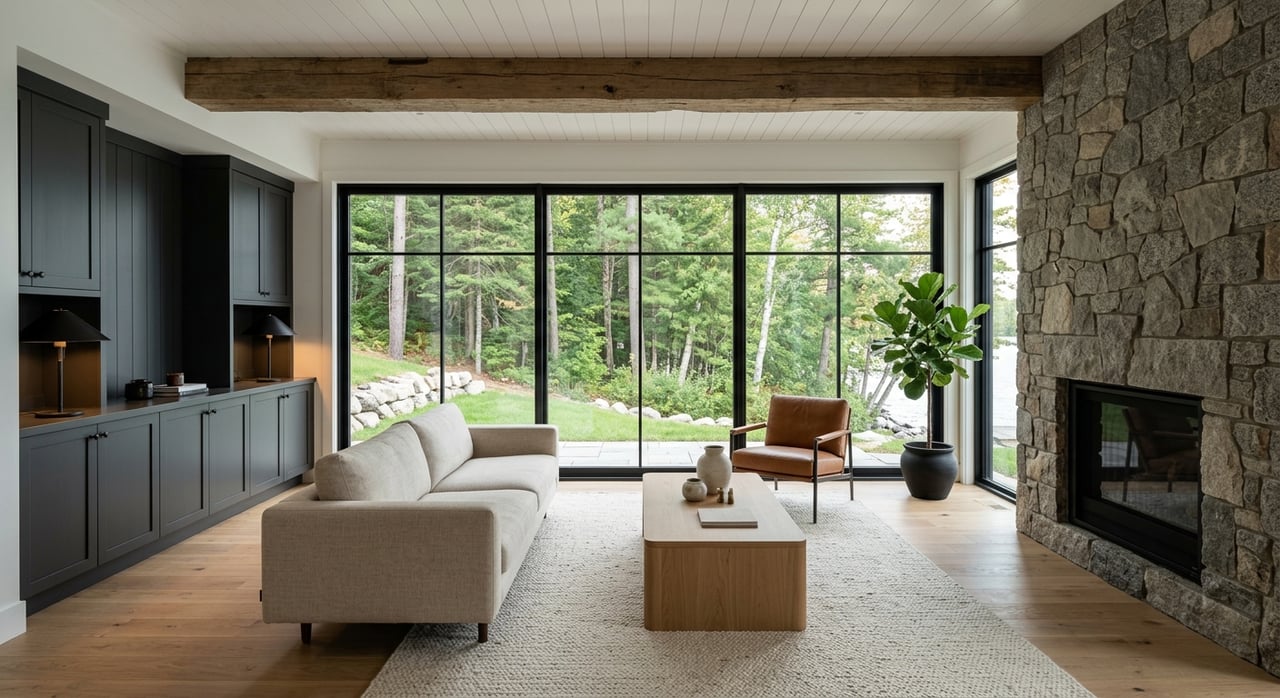
Declutter, depersonalize, and lighten the color palette. A quick coat of neutral paint in main living areas can brighten spaces and broaden appeal. Keep windows spotless to maximize light and frame any water views.
Exterior and shoreline prep
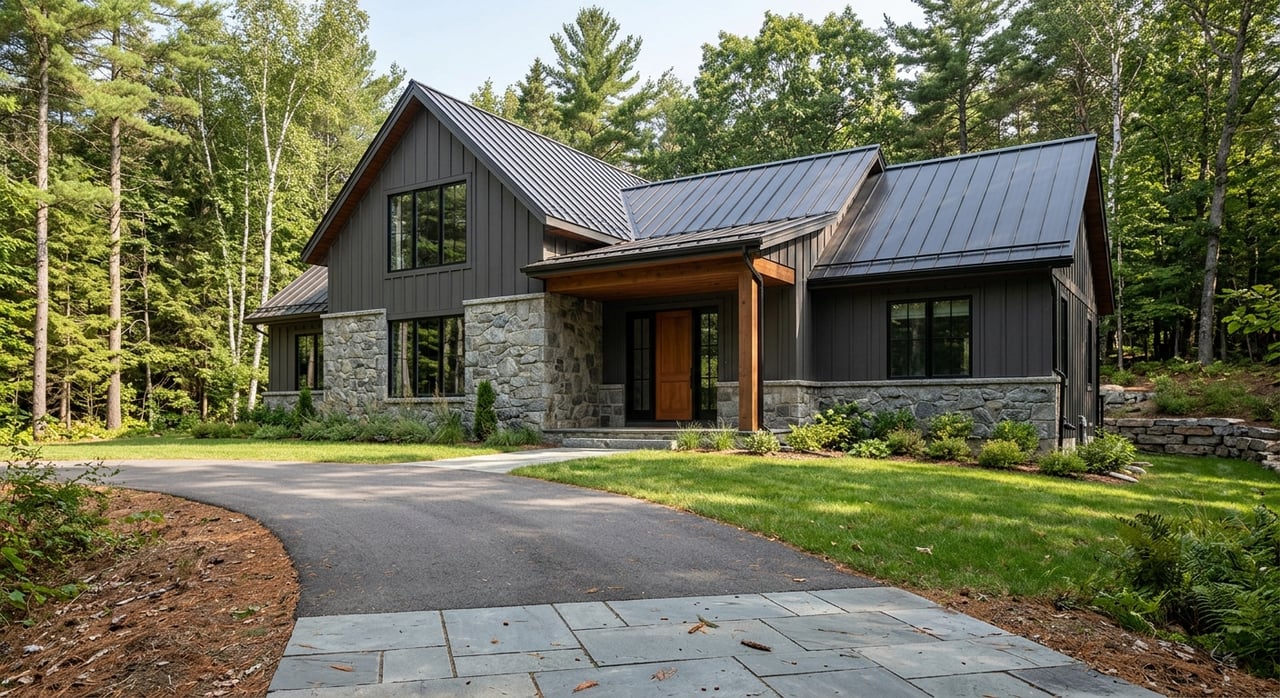
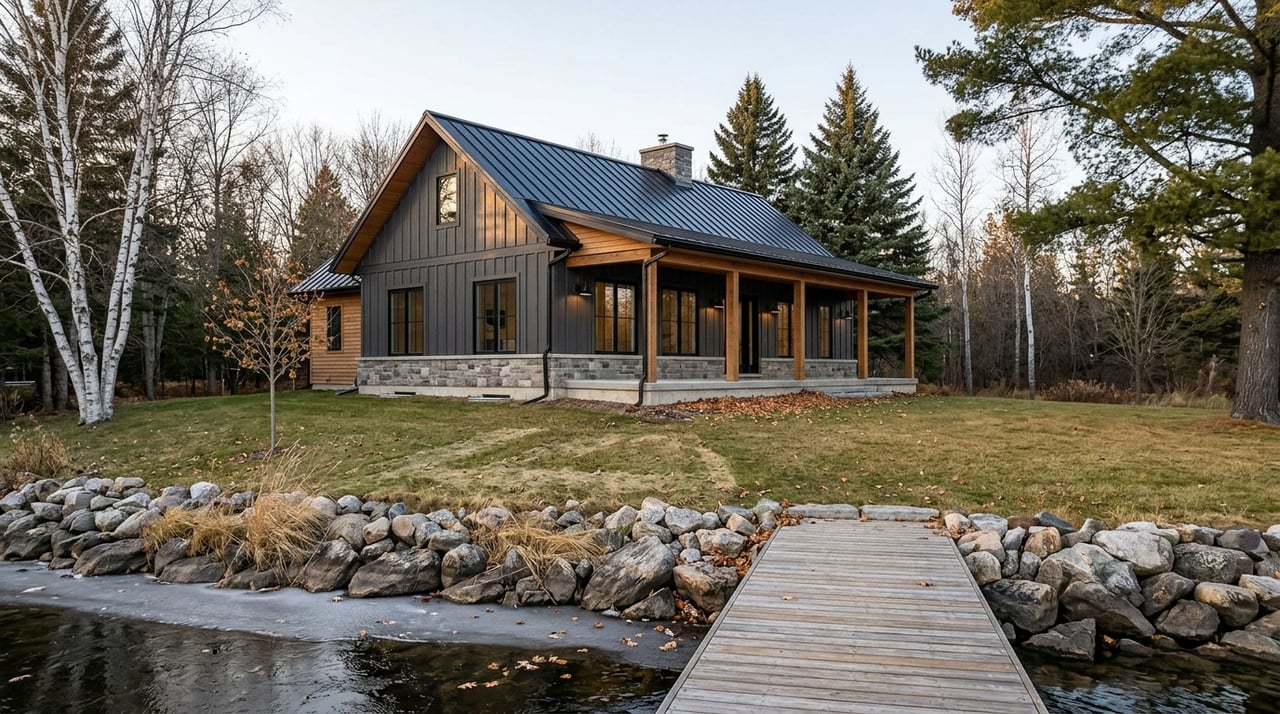
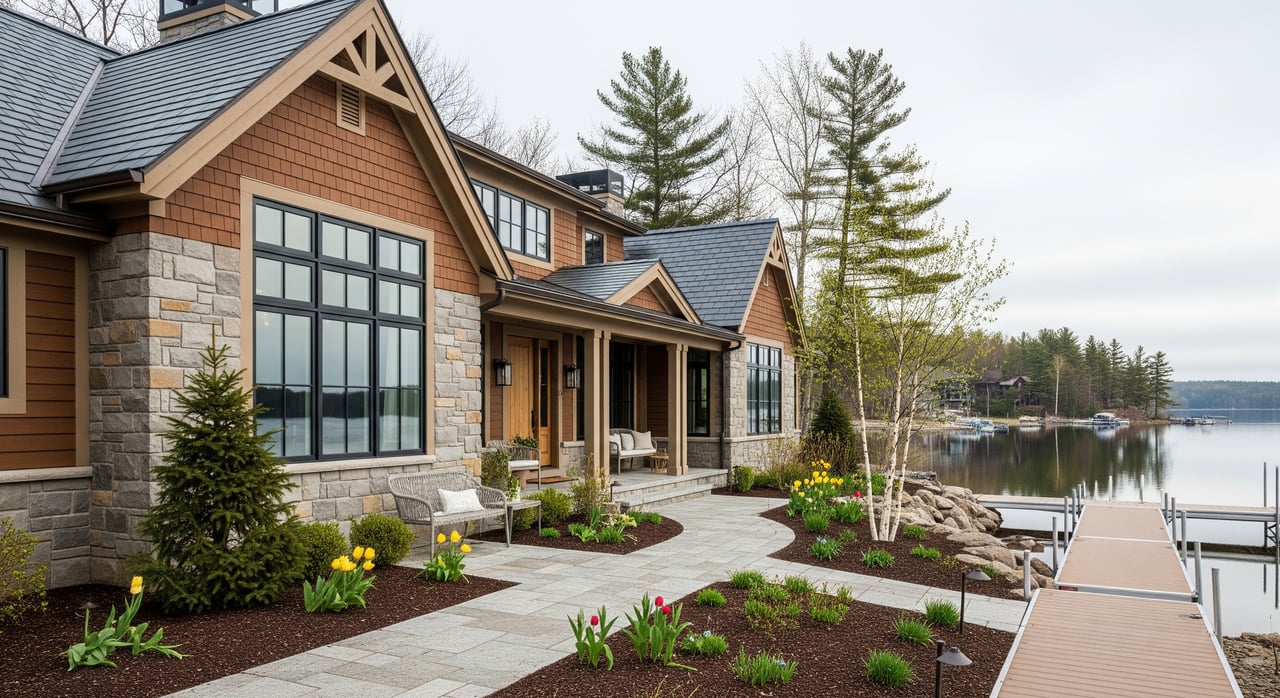
Clean winter debris, tidy beds, and refresh mulch for a crisp first impression. Inspect docks for safe, secure hardware and replace loose boards or ladders. Document any shoreline stabilization or restoration and have permits handy if work was done.
Seasonal readiness checks
Melting snow can reveal drainage issues. Clean gutters, extend downspouts, and check grading around the foundation to reduce puddling near the home. Make sure heating systems are serviced so showings feel comfortable in early spring.
Eight-week spring prep plan
Use this timeline as a guide and adjust to your home’s condition and permit needs.
Weeks 6–8
- Consult a local REALTOR for a comparative market analysis and pricing strategy for lakefront versus inland comps.
- Order a general home inspection and schedule specialists as needed. Prioritize septic, well, radon, roof, and moisture checks.
- Gather documents: disclosures, tax statements, permits, association rules, utility costs, service records.
- Fix obvious safety issues such as loose steps or handrails.
Weeks 4–6
- Complete key repairs from inspections and service HVAC and water heater. Keep receipts and service notes.
- Pump or service the septic if due and arrange any needed repairs. Start shoreland or dock permit inquiries early if required.
- Test well water and review results. If radon is high, schedule mitigation and keep the report on hand.
Weeks 2–4
- Deep clean, declutter, and store excess gear. Remove bulky items that block sight lines to windows or water views.
- Paint high-impact rooms in neutral tones and handle small cosmetic fixes like caulk and grout.
- Freshen landscaping and tune up docks or decking for safety and appearance.
Week 1 and launch
- Schedule professional photography and consider drone images where permitted.
- Finalize your listing packet with disclosures and permits. Confirm showing plans for weekends and evenings.
- Go live and stay flexible for high-traffic spring days.
Pricing and timing strategy
Local micro-markets vary by lake, access, and whether homes are year-round or seasonal. Work with your agent on a pricing strategy that reflects current Nisswa and Brainerd Lakes comps and buyer demand. Align your timeline so that showings peak before prime summer use.
What buyers ask in Nisswa
Buyers often focus on a short list of practical items. Prepare concise answers and documentation for:
- Shoreline stability and any erosion or high-water history.
- Septic type, age, and service records.
- Well water test results and any filtration systems.
- Dock ownership, permits, and replacement history.
- Winter access, snow removal, and seasonal use.
- Covenants, easements, or association rules that affect the property.
Preparing now lets you list with confidence, show your home at its best, and move smoothly from offer to closing. If you want a tailored plan, professional staging guidance, pricing support, and polished marketing that reaches both local and out-of-area buyers, connect with Amanda Lumley.
FAQs
What inspections help Nisswa sellers most in spring?
- A general home inspection plus septic, well water testing, and radon are common priorities. See the Minnesota Department of Health and MPCA septic guidance for basics.
How do shoreland permits affect a Crow Wing sale?
- Buyers often ask about dock and shoreline compliance. Start with Crow Wing County Planning and Zoning and the Minnesota DNR to confirm what is allowed and what requires permits.
Should I test for radon before listing in Minnesota?
- Yes, it can reduce later negotiation. Learn about testing and mitigation from the Minnesota Department of Health.
What documents should I prepare for a lake home listing?
- Include your seller’s disclosure, septic and well records, permits, HOA or lake association rules, recent tax statements, and any inspection reports.
When is the best time to list a Nisswa lake home in spring?
- Many sellers aim for late March through May to capture buyers planning for summer. Spring activity typically increases, as noted by the National Association of REALTORS.