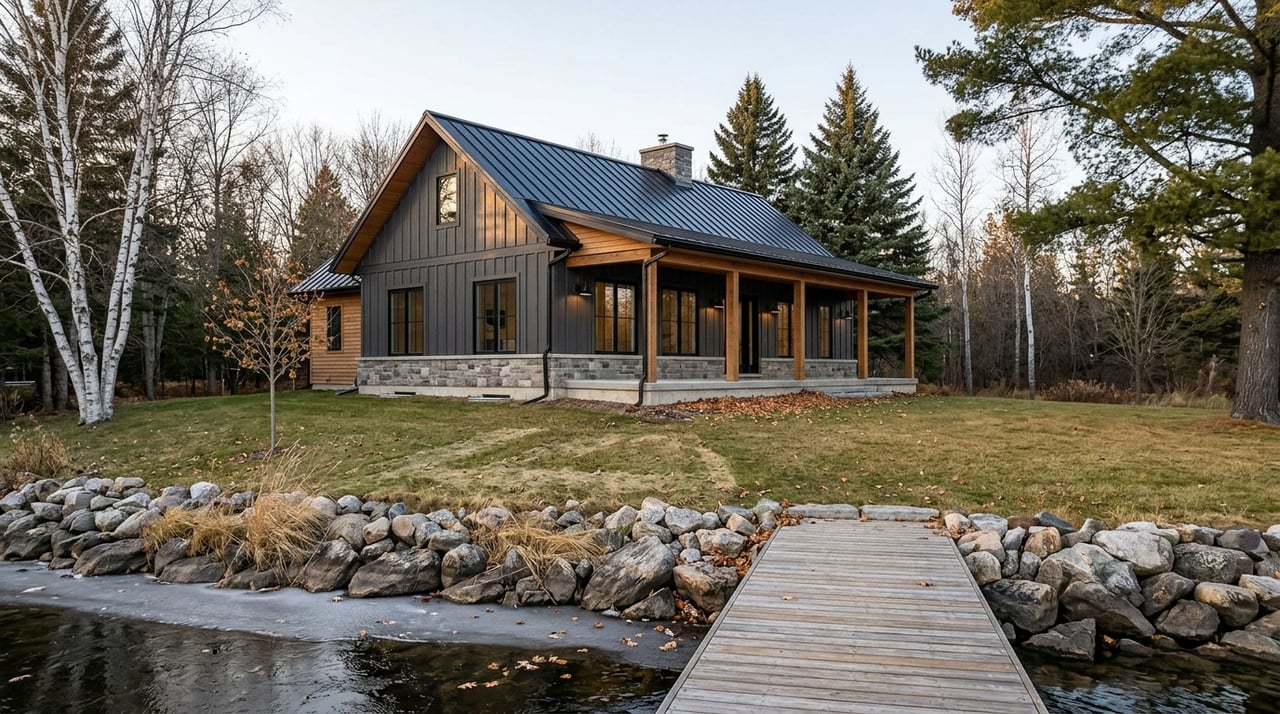
If you picture cabin life as just a few busy summer weekends, Nisswa may surprise you. This part of the Brainerd Lakes Area stays active through spring thaw, peak boating season, crisp fall weekends, and snow-covered winter months. If you are thinking about buying or selling a cabin here, it helps to understand how the lifestyle shifts with the calendar and why that matters. Let’s dive in.
Why Nisswa Feels Like a True Four-Season Cabin Town
Nisswa is best understood as a year-round lake community, not just a summer vacation stop. Regional visitor information for the Brainerd Lakes Area highlights year-round recreation, scenic lakes, trails, and seasonal traditions that keep the area moving well beyond boating season.
That broader setting matters because Nisswa sits in a region built around outdoor access. The Minnesota DNR fisheries office for the Brainerd area manages 317 fishing lakes and 100 miles of rivers and streams across Crow Wing and lower Cass counties. Popular waters in the area include the Gull and Whitefish chains, Pelican Lake, and North Long Lake, which helps explain why lake living remains part of everyday life here.
The climate also supports a true four-season rhythm. Nearby NOAA climate normals at Brainerd Crow Wing County Airport show an annual mean temperature of 42.2 degrees, with January averaging 16.8, April 42.5, July 69.6, and October 45.4. In other words, you are not buying into one short season. You are buying into a place that changes character throughout the year.
Spring in Nisswa
Spring is the transition season, and in Nisswa that shift can feel quick. March averages 28.6 degrees, April 42.5, and May 55.3 based on NOAA normals, which means winter conditions can linger and then suddenly give way to open water, milder days, and the first real signs of cabin season.
For many lake property owners, spring is when the area starts to feel personal again. The pace is quieter than midsummer, and the landscape begins waking up after winter. If you like the idea of a cabin that offers a calm reset before peak season arrives, spring has a real appeal.
It is also a strong time for fishing. According to the Minnesota DNR, spring is the best season to catch fish because fish are active after winter. Once the ice melts, sunfish and crappies are good options, while walleye and northern pike open in mid-May and bass and muskie open later in spring.
From a buyer’s perspective, spring can be a useful season to evaluate how a property feels outside the busiest months. You may notice road access, tree cover, shoreline exposure, and how the home sits on the lot in a different way than you would in July. That kind of perspective can help you choose a property that fits how you actually plan to use it.
Summer in Nisswa
Summer is when Nisswa’s classic cabin identity is most visible. This is the season of boating, swimming, water skiing, dock time, and relaxed evenings by the lake. Visitor information for the area highlights boating, swimming, fishing, and boat rentals, all of which reinforce the region’s lake-centered lifestyle.
The Paul Bunyan State Trail also adds to summer living in and around Nisswa. Local visitor materials describe it as a paved, mostly level former railroad corridor that supports biking and walking through town. For many cabin owners, that mix of lake access and trail access is part of what makes the area feel easy to enjoy day after day.
Nisswa also has a strong social rhythm in summer. The chamber calendar features recurring traditions like the weekly Turtle Races and Freedom Day celebration, which help give the town an active, welcoming feel during peak season. If you want a cabin market that comes alive in visible ways, summer shows that clearly.
That said, summer is not identical to spring for every activity. The Minnesota DNR notes that summer shore fishing can become harder because shoreline vegetation thickens and fish move deeper into cooler water. So while summer delivers the classic dock-and-boat experience, the details of how you spend time on the water may change as the season progresses.
Fall in Nisswa
Fall is where many people start to see Nisswa a little differently. The weather cools, the town feels less crowded, and the lake lifestyle shifts into a quieter, more local rhythm. NOAA normals show September averaging 58.7 degrees, October 45.4, and November 30.6, which supports that steady move from late-summer comfort to true fall air.
This can be one of the most appealing times to enjoy a cabin if you prefer slower weekends and peaceful mornings. The trails are still part of daily life, but the mood changes. Instead of swim days and full docks, fall often feels more like coffee on the porch, extra layers in the morning, and time outside without the midsummer pace.
Fishing also stays strong in the fall. The Minnesota DNR says fall is another great fishing season because cooling water, dying vegetation, and fish feeding before winter improve the bite. For buyers who want more than a summer-only property, that is an important reminder that the lake lifestyle does not stop when the calendar turns.
Nisswa’s annual Fall Festival adds another layer to the season. It helps show that the town remains active after summer winds down. If you are considering a cabin for regular personal use, fall can be the season that proves whether you want a property with life beyond peak vacation months.
Winter in Nisswa
Winter is not the off switch in Nisswa. It is simply a different season of use. Instead of docks and boat lifts, winter centers on snow, ice, trail conditions, and cold-weather recreation.
The Minnesota DNR reports that Minnesota has more than 22,000 miles of groomed snowmobile trails, and Grant-in-Aid trails can open as early as December 1 when conditions allow. The DNR also notes that grooming depends on frozen ground and enough snow to pack and groom routes, which is a helpful reminder that winter recreation here is real, but conditions matter.
That practical side is important for cabin living. Winter ownership in Nisswa can be scenic and fun, but it works best when you go in with realistic expectations about snow depth, trail updates, and ice thickness checks. For many second-home buyers, that is not a drawback. It is part of what makes the season feel authentic.
Winter fishing adds another reason people keep using their cabins well after the holidays. The Minnesota DNR says ice fishing is a good way to catch crappies and sunfish. If your ideal cabin is a place you can use in February, not just in July, that matters.
Nisswa also keeps a festive identity in winter through annual traditions like Winter Jubilee and City of Lights. Events like these help the town feel active and connected rather than closed for the season.
What This Means for Cabin Buyers
If you are in the early stages of buying a cabin in Nisswa, one of the best questions to ask is simple: Which season matters most to you? That answer can shape everything from location and shoreline preference to access, amenities, and how often you plan to use the property.
If you picture summer first, you may focus on boating, swimming, dock setup, and easy lake access. If you are drawn to fall, you may care more about privacy, quieter weekends, and trail time. If winter use matters, you may think more carefully about year-round access and how the property fits a snow-and-ice lifestyle.
Spring deserves a place in that conversation too. It is the most transitional and variable season, but it can also be one of the most rewarding if you enjoy watching the area shift back into open-water living. Looking at Nisswa through all four seasons gives you a more complete view of what cabin ownership can really feel like.
Why This Matters for Sellers
If you are selling a cabin in Nisswa, the four-season story can be a real strength. Buyers are often drawn in by summer photos and lake views, but many are really searching for a property they can enjoy beyond one short stretch of the year.
That means good marketing should help buyers imagine the full lifestyle. A Nisswa property may feel lively in July, restorative in October, and genuinely winter-ready in February. Showing that broader use can help your home connect with buyers who are looking for more than a three-month retreat.
This is where local knowledge matters. A thoughtful listing strategy can frame the property around how people actually live in the Brainerd Lakes Area, not just how it looks on a sunny weekend. For lakefront and lifestyle properties especially, that kind of positioning helps buyers understand the value more clearly.
Whether you are buying your first cabin, searching for a second home, or thinking about when to list, understanding Nisswa as a four-season market gives you an advantage. If you want local guidance on cabins, lakefront homes, or lifestyle properties in the Brainerd Lakes Area, Amanda Lumley can help you take the next step.
FAQs
What makes Nisswa a four-season cabin market?
- Nisswa stays active across spring, summer, fall, and winter thanks to its lake lifestyle, trail access, fishing opportunities, and recurring community events throughout the year.
What is summer cabin living like in Nisswa?
- Summer in Nisswa centers on boating, swimming, fishing, dock time, lake cruising, and community traditions like Turtle Races and Freedom Day.
What is fall like for cabin owners in Nisswa?
- Fall in Nisswa is typically quieter and less crowded, with cooler temperatures, continued trail use, strong fishing conditions, and community events like the Fall Festival.
Can you use a cabin in Nisswa during winter?
- Yes. Winter cabin use in Nisswa can include snowmobiling, ice fishing, and seasonal events, though conditions like snow depth, trail status, and ice thickness should always be checked.
What should buyers consider before purchasing a cabin in Nisswa?
- Buyers should think about which season they want to enjoy most, since summer, fall, winter, and spring each offer a different pace, recreation mix, and cabin experience.
Why does four-season appeal matter when selling a Nisswa cabin?
- Four-season appeal can broaden buyer interest by showing that a cabin offers value and usable lifestyle benefits beyond peak summer months.