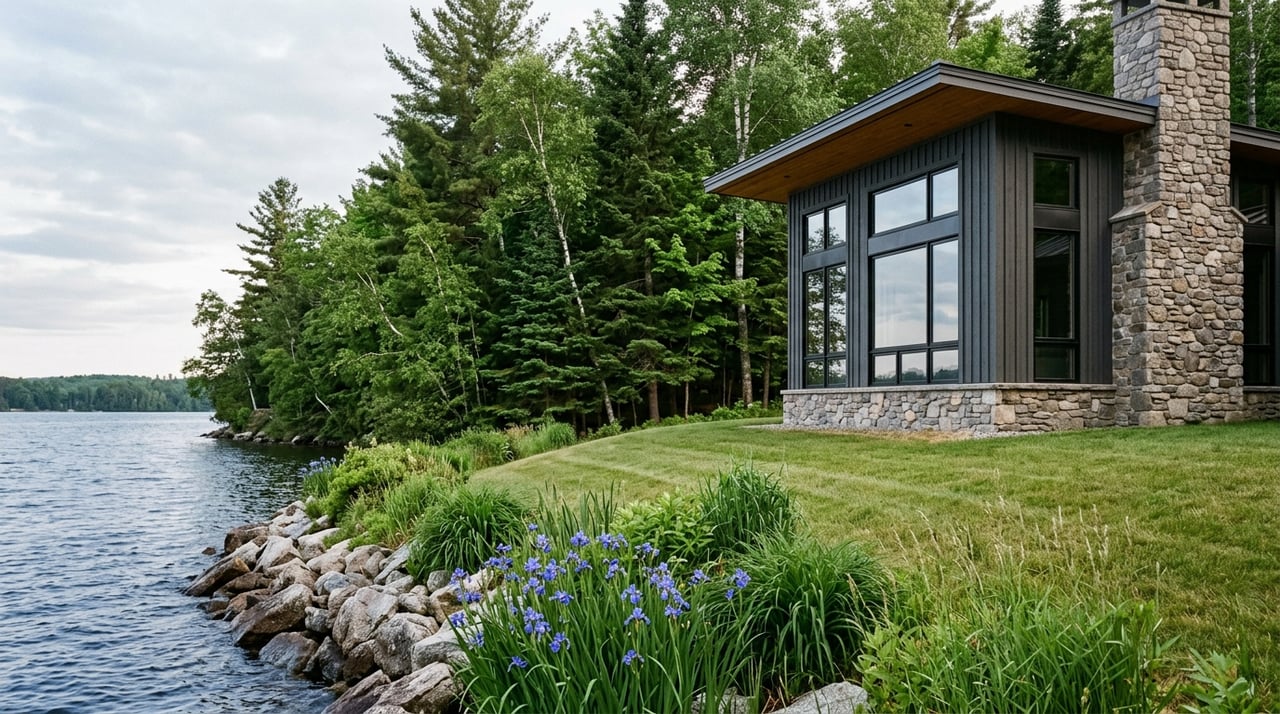
Wondering why one lake home in Pequot Lakes gets strong interest right away while another sits, even when the houses seem similar? That usually comes down to pricing the full property, not just the house. If you are preparing to sell a lakefront home, cabin, or estate, understanding how buyers judge shoreline, lake quality, and legal use can help you price with more confidence. Let’s dive in.
Why lakefront pricing is different
In Pequot Lakes, lakefront value is highly specific to the parcel. That matters because Crow Wing County is packed with water, with more than 400 lakes, 75 rivers, and over 2,000 miles of shoreline. In a market like this, buyers do not treat all waterfront homes as interchangeable.
That is also why citywide averages only go so far. Recent market snapshots vary by source, with one reporting a median sale price of $266,000 and another reporting a median listing price of $499,900. The practical takeaway is simple: pricing a lakefront property in Pequot Lakes should be based on comparable sales, not a broad townwide average.
Start with the right comparable sales
The best starting point is recent closed sales on the same lake. If there are not enough recent sales there, the next step is to compare to homes on a truly similar lake with similar demand, access, and shoreland characteristics. This is especially important in the Brainerd Lakes Area, where the lake itself is part of the product.
A useful pricing review usually looks at more than sale price alone. You also want to compare frontage, lot usability, home condition, remodeling level, and whether the setting feels similar from a buyer’s perspective. Two homes with similar square footage can still attract very different buyers if one sits on a better-known chain or offers easier shoreline use.
Lake matters more than many sellers expect
Not all lakes are priced the same way. Minnesota DNR shoreland classifications help explain why, because they reflect how a lake is suited for development and use. Natural Environment lakes, Recreational Development lakes, and General Development lakes each have different standards that can affect lot use, setbacks, and future flexibility.
In the Pequot Lakes area, several well-known waters are classified as General Development lakes, including Whitefish, Pelican, Cross Lake Reservoir, Sibley, Mayo, and Nisswa. The DNR also identifies the Gull and Whitefish chain, Pelican Lake, and North Long Lake as popular area waters. In real terms, a home on a recognized chain or busier destination lake often appeals to a broader buyer pool than a similar home on a smaller or more restricted lake.
What buyers often pay more for
When buyers compare lakefront homes, they often place added value on:
- A well-known lake or chain with established demand
- Good water depth and easy shoreline access
- Usable frontage for docks and recreation
- Wide water views and a strong view corridor
- Shoreline that feels attractive, natural, and well maintained
- A home site with clear legal potential for future updates or expansion
Each of these factors can shift value, even when the home itself looks similar on paper.
Shoreline quality can move the number
Shoreline condition is not just a maintenance issue. It is part of the value story. According to the Minnesota DNR, healthy shorelines with native vegetation help slow runoff, reduce erosion, support habitat, and create natural privacy and views.
Buyers notice that. A shoreline that feels stable, attractive, and usable often supports a stronger first impression than one that appears heavily altered or difficult to manage. In a lake market, that impression can influence both showing activity and pricing power.
A north-central Minnesota study summarized by Minnesota State University found that changes in water clarity could affect value by as much as $400 per foot of shoreline, or about $32,000 on an 80-foot lot. That is not a universal formula, but it does show how buyers can connect shoreline and water quality to real dollars.
Features that can affect shoreline value
Here are a few parcel-level details that often shape pricing:
- Frontage length
- Shoreline slope and usability
- Water clarity and overall lake condition
- Native vegetation and privacy
- Erosion concerns or visible shoreline issues
- Ease of getting to and from a dock area
- View quality from the home and yard
These are the details that can separate an average pricing strategy from a well-supported one.
Permits and compliance affect buyer confidence
In shoreland areas, paperwork matters. Crow Wing County says the shoreland zone extends 1,000 feet from a lake and 300 feet from a stream, and permits are required for most dirt moving and vegetation alteration in these areas. The City of Pequot Lakes also requires a zoning or land use permit for building structures or changing a footprint.
That matters for pricing because buyers often ask whether improvements were done properly. If a seller has clear records for additions, shoreline work, and other changes, it can reduce uncertainty during negotiations. If work was done without approval, it can create friction and affect how confidently a buyer values the property.
The city also notes that unpermitted work can trigger an after-the-fact fee equal to five times the original permit fee. Even when a buyer still wants the home, unresolved questions can weaken leverage. Clean documentation helps support a cleaner pricing story.
Assessed value is not the same as market value
Many sellers look at the county tax statement first, but assessed value should not be treated as your list price. Crow Wing County used an analysis of 2,300 county sales between October 2024 and September 2025 to set 2026 valuations. That means assessments are informed by market activity, but they still serve a different purpose.
The county has made clear that valuation and classification drive tax burden distribution. That is useful context, but it is not the same thing as what a ready, willing buyer may pay for your specific lakefront parcel today. A pricing strategy should be anchored in current sales evidence, not just the assessed figure.
Why realistic pricing matters in Pequot Lakes
Even in a desirable lake market, buyers respond to value. Recent Pequot Lakes figures suggest homes are generally selling close to asking price, with one source reporting a 98% sales-to-list ratio and another showing homes selling about 1% below list price. Days on market ranged from roughly 46 to 61 days, depending on the source.
That tells you something important. If your lakefront property is priced close to the right comp range, it is more likely to attract serious attention early. If it is priced well above what the lake, shoreline, and home condition support, buyers may wait, compare, and move on.
A practical way to build your list price
If you want a smart list price, think in layers rather than one simple number. Start with recent closed sales, then adjust based on how your property compares in the areas that matter most to lake buyers. This creates a price that feels grounded, defensible, and market-aware.
Core factors to review
A solid lakefront pricing strategy in Pequot Lakes should account for:
- Closed sales on the same lake, or a truly similar lake
- Frontage length and lot shape
- Shoreline quality and water access
- Lake classification and buyer demand for that waterbody
- Home age, condition, and updates
- Dock, lift, and recreational setup
- View corridor and privacy
- Legal ability to expand, rebuild, or improve under current rules
- Permit history and documentation for completed work
This is where local lake knowledge matters. The goal is not just to pick a number. It is to choose a number that buyers can understand and support once they compare your property to the alternatives.
Pricing should support your marketing strategy
For a lakefront listing, price and presentation should work together. A strong price gets buyers to look. Strong presentation helps them feel the value once they do.
That is especially true for waterfront homes, where photography, staging guidance, and clear property positioning can shape how buyers interpret shoreline, views, and lifestyle potential. If your home is being marketed with polished visuals and a clear pricing story, you are in a better position to attract the right audience from the start.
Final thoughts on pricing a lakefront home
Pricing a lakefront property in Pequot Lakes is part market analysis, part lake knowledge, and part strategy. The most accurate number comes from understanding not only the house, but also the lake, the shoreline, the permits, and the buyer pool for that setting.
If you are thinking about selling, the right pricing conversation can help you avoid guesswork and position your property more effectively from day one. For tailored guidance, staging insight, and a pricing strategy built around your specific lakefront property, connect with Amanda Lumley.
FAQs
How do you price a lakefront property in Pequot Lakes?
- The best approach is to start with recent closed sales on the same lake or a very similar lake, then adjust for frontage, shoreline usability, water access, home condition, views, and permit history.
Does the lake itself affect home value in Pequot Lakes?
- Yes. Buyer demand can vary widely by lake, especially between well-known chain lakes and smaller or more restricted waterbodies.
Should you use tax assessed value to price a Pequot Lakes lake home?
- No. Assessed value can offer context, but it is not the same as current market value and should not replace a sales-based pricing analysis.
Do shoreline condition and water clarity affect lakefront pricing?
- Yes. Shoreline quality, native vegetation, and water clarity can influence buyer interest and may affect what buyers are willing to pay.
Do permits matter when selling a lakefront home in Pequot Lakes?
- Yes. Buyers often want confidence that shoreline work, additions, or footprint changes were properly permitted, and missing documentation can create negotiation issues.
Why do two similar homes in Pequot Lakes sell for different prices?
- In a lake market, similar houses can have different values because of differences in lake desirability, frontage, shoreline quality, views, water depth, lot usability, and legal flexibility for future improvements.