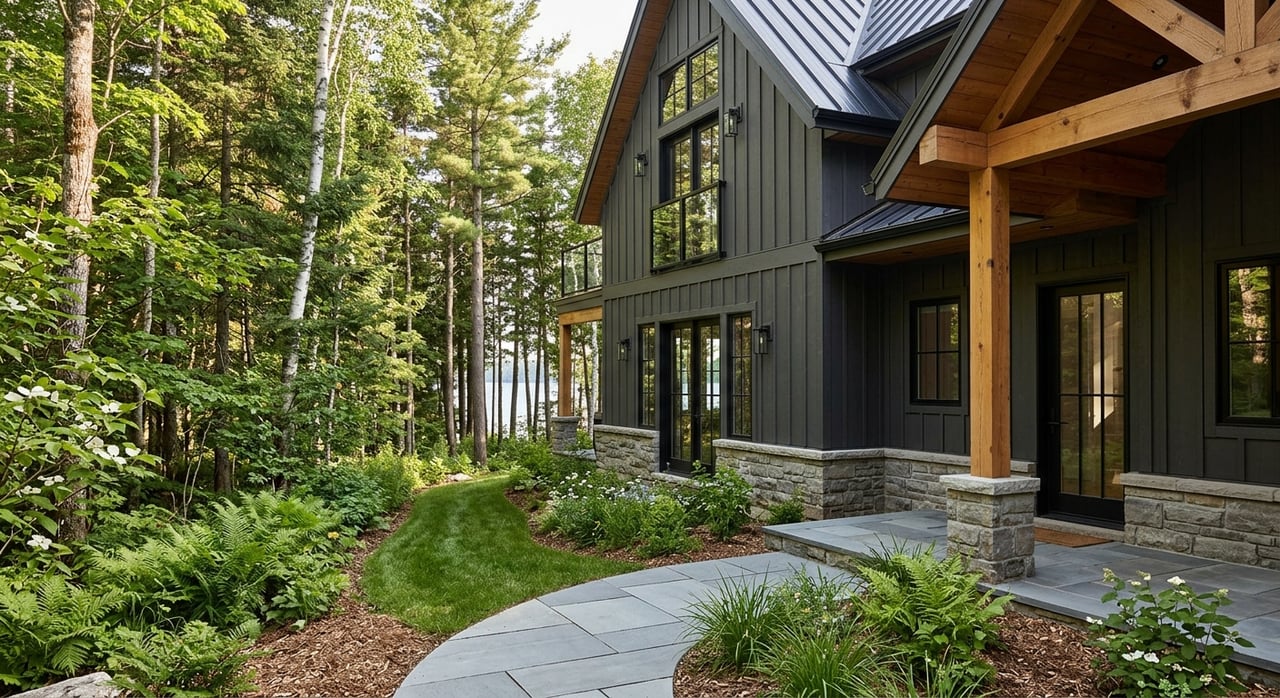
Wondering whether lakefront is really worth it in Crosslake, or if an off-lake home could give you the lifestyle you want for less? It is a smart question, especially in a market where shoreline can change both your budget and your day-to-day experience in a big way. If you are trying to balance water access, long-term costs, and how you actually plan to live here, this guide will help you sort through the tradeoffs. Let’s dive in.
Crosslake Living Starts With the Lakes
Crosslake is built around the water. The Whitefish Chain includes 14 interconnected lakes, more than 13,500 acres of water, and 119 miles of shoreline, with boating, fishing, swimming, skiing, dockside dining, and year-round recreation shaping daily life in the area.
That matters because choosing between lakefront and off-lake in Crosslake is not just about an address. It is about deciding how close you want to be to the water, how often you plan to use it, and how much of your budget you want tied to shoreline ownership.
Crow Wing County also has more than 400 lakes and 75 rivers, so the lake lifestyle here is broader than one lot on one shore. In other words, you can enjoy a very lake-centered life in Crosslake without necessarily owning waterfront property.
Lakefront: What You Are Paying For
When you buy lakefront in Crosslake, you are buying direct control of the shoreline. That usually means immediate water access, space for your dock setup, lake views, and the convenience of stepping outside and being on the water right away.
For many buyers, that convenience is the whole point. If you picture frequent boating days, easy entertaining by the water, or a cabin where the shoreline is part of your everyday routine, lakefront can be the right fit.
You are also paying for scarcity. Current Crosslake listing snapshots show a wide spread, from backlots and land parcels around $39,900 to $174,000 to homes priced much higher, including a property at $5.25 million. Redfin’s current lakefront filter shows only one active lakefront home at a median listing price of $599,000, which helps illustrate how limited shoreline inventory can be.
When lakefront makes sense
Lakefront may be the better choice if you:
- Want direct, private shoreline access
- Plan to use the water often
- Value dock convenience and lake views every day
- Are comfortable paying more for location and frontage
- Understand that shoreline ownership comes with added rules and upkeep
Off-Lake: More Flexibility, Still Close to the Action
Off-lake ownership can still give you a strong Crosslake lifestyle. Because the area is so recreation-driven, you can enjoy boating, fishing, restaurants, events, and all four seasons of lake-town living without owning a shoreline parcel.
In many cases, off-lake buyers gain flexibility. A lower entry price can leave more room in your budget for a larger home, extra garage space, more land, updates, or simply lower carrying costs.
You also may not be giving up water access entirely. The Minnesota DNR states that lakes and rivers are public waters, and it installs and maintains many public boat ramps. Its LakeFinder tool also provides water access site information, lake maps, and water-quality data that can help you compare specific lakes and access points.
When off-lake makes sense
Off-lake may be the better choice if you:
- Want to control your purchase budget
- Prefer more house, garage, or lot for the money
- Are fine driving to a public access or using another legal access arrangement
- Care more about being in Crosslake than being directly on the shore
- Want a simpler ownership experience in some cases
The Real Cost Difference Goes Beyond Price
The purchase price is only one part of the decision. In Crosslake, your long-term ownership costs can vary quite a bit depending on how you use the property and how it is classified.
In Minnesota, property taxes depend on classification and homestead status, not just whether the home is on a lake. If the property is your sole or primary residence, it may qualify as a residential homestead and may also qualify for the Homestead Market Value Exclusion.
For taxes payable in 2026, a residential homestead is classified at 1.00% of taxable market value up to $500,000 and 1.25% above that. That can make a meaningful difference for a primary residence.
A seasonal cabin or second home is treated differently. Minnesota classifies noncommercial seasonal residential recreational property separately, and for taxes payable in 2026, that property type is subject to a seasonal residential recreational state general levy rate of 9.203%.
Why this matters for your decision
If you are comparing a lakefront second home to an off-lake primary residence, the monthly cost gap may feel much wider than the list prices suggest. Before you fall in love with a property, it is worth looking closely at whether it is likely to be owner-occupied as a homestead or treated as seasonal recreational property.
Shoreland Rules Can Affect Both Options
A lot of buyers assume off-lake means fewer property restrictions and lakefront means all the regulation. In reality, the line is not always that simple.
Crow Wing County defines the shoreland zone as 1,000 feet from a lake and 300 feet from a stream. The county says a permit is required for most dirt moving and vegetation alteration in shoreland areas.
Crosslake’s setback guidance also shows that new structures near public waters may face shoreline setbacks that vary by lake class, along with separate setbacks for roads, property lines, wetlands, and bluffs. So if you are planning to build, expand, clear trees, or rework the site, the property’s location and classification matter a lot.
Key takeaway on regulation
Lakefront ownership usually means more shoreline stewardship and more design constraints. But some off-lake parcels can still fall within shoreland areas, so you should never assume a property gives you unlimited freedom to change the site.
If Rental Use Is Part of the Plan
For some buyers, especially second-home shoppers, rental potential is part of the conversation. If that is true for you, Crosslake has local requirements you need to review early.
The city requires an approved short-term rental license before a home, cabin, condo, or townhome can be advertised or operated as a short-term rental. The city also notes that property owners in the City of Crosslake and Ideal Township who rent lodging are required to collect a 1% lodging tax.
That does not mean a property is or is not a good fit for rental use. It means you should confirm the rules before writing an offer so your plan matches the property and the local requirements.
A Simple Way to Decide
If you are stuck between the two options, start with your real lifestyle, not the dream version. The best choice usually becomes clearer when you think about how often you will use the water, how much convenience matters to you, and what you want your budget to do.
Choose lakefront if your priority is daily water access
Lakefront is usually the better fit when your goal is to make the shoreline part of your everyday routine. If you want to walk to the dock, entertain by the water, and enjoy direct views and access without extra steps, paying more for frontage may be worth it.
This path tends to make the most sense for buyers who expect to use the water often and who are comfortable with added stewardship, permitting considerations, and potentially higher carrying costs.
Choose off-lake if your priority is value and flexibility
Off-lake often makes sense when you want to be in Crosslake and enjoy the lifestyle, but do not need to stand on the shore every day. You may be able to buy into the area at a lower price point and put more of your money toward living space, storage, land, or updates.
For many buyers, that tradeoff feels practical and balanced. You still get the recreation, the setting, and the community, but with more flexibility in how you use your budget.
Questions to Answer Before You Buy
No matter which path you prefer, a little due diligence can save you from expensive surprises later. In Crosslake, these questions are especially important:
- What is the exact water access situation?
- Is the property likely to qualify as a homestead, or is it more likely to be treated as seasonal recreational property?
- Is the parcel within a shoreland zone?
- What setbacks or permitting rules could affect future projects?
- If you may rent it, what local licensing and tax requirements apply?
- Which lake or access point best fits how you plan to boat, fish, or spend time on the water?
The right answer is not the same for every buyer. It depends on your lifestyle, your budget, and how you want this property to work for you over time.
If you want help comparing lakefront and off-lake options in Crosslake, Amanda Lumley can help you sort through the details and find the right fit for how you want to live in the Brainerd Lakes Area.
FAQs
What does lakefront ownership in Crosslake really give you?
- Lakefront ownership gives you direct shoreline access, dock convenience, lake views, and the most immediate version of the Crosslake lake lifestyle.
Can you enjoy Crosslake if you buy off-lake?
- Yes. Crosslake’s lifestyle is built around the Whitefish Chain and year-round recreation, and Minnesota public water access can make boating and lake use possible without owning shoreline.
Are off-lake homes in Crosslake always outside shoreland rules?
- No. Crow Wing County defines shoreland zones as 1,000 feet from a lake and 300 feet from a stream, so some off-lake properties may still be subject to shoreland regulations.
How are Minnesota property taxes different for a primary home and a seasonal cabin?
- A primary residence may qualify for homestead classification, while a seasonal cabin is classified differently and can carry a higher tax burden because of Minnesota’s seasonal residential recreational property treatment.
What should you verify before buying a Crosslake home for short-term rental use?
- You should confirm whether the property can meet Crosslake’s short-term rental license requirements and whether local lodging tax rules apply to your plans.